Braj: Delhi–Mathura–Vrindavan–Agra
Custom Duration
Krishna's birthplace and childhood home, woven through the Yamuna basin alongside Mughal heritage sites — a corridor of devotion and history.
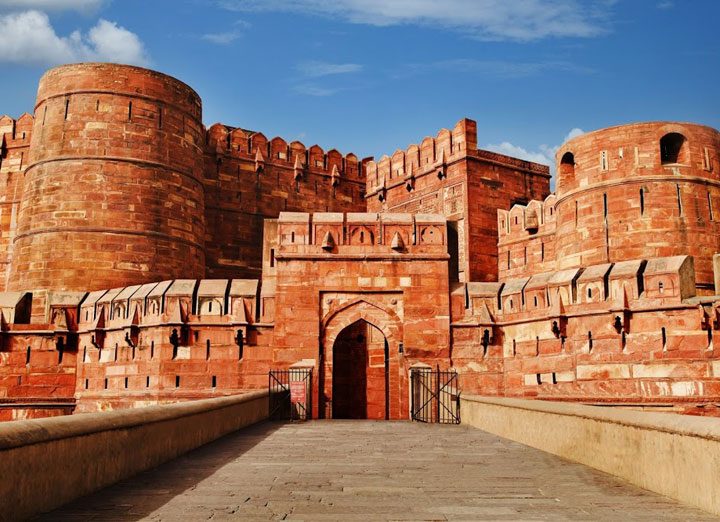
Krishna's birthplace and childhood home, woven through the Yamuna basin alongside Mughal heritage sites — a corridor of devotion and history.
The Delhi–Mathura–Vrindavan–Agra corridor forms the core cultural, historic, and spiritual passage of the Yamuna River basin in Northern India. Traversing the National Capital Region into western Uttar Pradesh, this route encompasses imperial political seats, the sacred Braj Bhoomi pilgrimage circuit, and Indo-Islamic heritage sites.
A historic seat of power spanning ancient Indraprastha, the Delhi Sultanate, the Mughal Empire, and the British Raj. Highlights include Swaminarayan Akshardham, Qutub Minar, Red Fort, and Humayun's Tomb.
The celebrated birthplace of Lord Krishna, ancient capital of the Surasena Kingdom. Centred around Shri Krishna Janmasthan, Vishram Ghat, and the Mathura Museum.
The forested setting of Krishna's early childhood, revived in the 16th century by the Chaitanya Mahaprabhu movement. Home to Shri Banke Bihari Ji Mandir, Prem Mandir, Radha Raman Temple, and Madan Mohan Temple.
Referenced in the Mahabharata as Agrevana, part of the historical Braj Bhoomi belt. Home to the Taj Mahal and Agra Fort, alongside older temples predating the Sultanate — including Shri Mankameshwar Mandir, Prithvi Nath Mahadev Temple, and the Bateshwar Group of over 100 shrines along the Yamuna.
| Location | Key Sites | Significance |
|---|---|---|
| Delhi | Akshardham, Qutub Minar, Red Fort, Humayun's Tomb | Imperial seat across multiple empires; the modern national capital. |
| Mathura | Krishna Janmasthan, Vishram Ghat | Ancient capital of the Surasena kingdom; birthplace of Krishna. |
| Vrindavan | Banke Bihari, Prem Mandir, Radha Raman | Core spiritual hub of Gaudiya Vaishnavism and Krishna's Lila sites. |
| Agra | Taj Mahal, Agra Fort, Fatehpur Sikri | 16th–17th century imperial capital of the Mughal Dynasty. |
Pace, timing, family needs, the sites that hold personal significance — every detail starts with a conversation, not a fixed itinerary.
Begin the Conversation